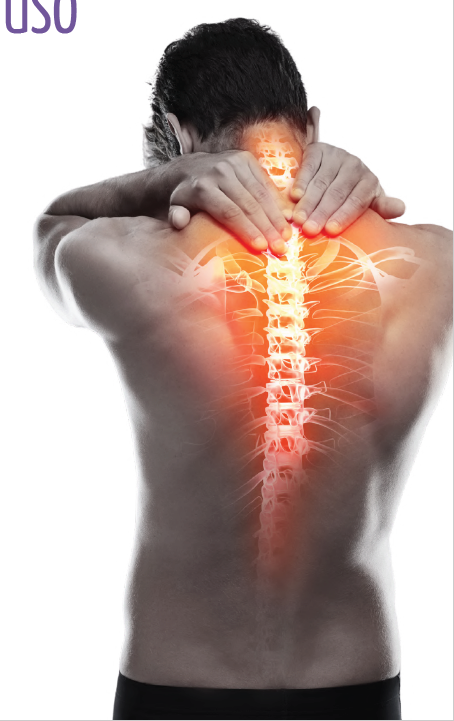
Restoring Muscle Function
and Functional Capacity
Muscle function is a key component of physiotherapy and rehabilitation. Professionally supervised electrical muscle stimulation enables targeted muscle activation, including in clients whose ability to exercise actively is temporarily or permanently limited.
Explore Implementation Options →Muscle Function Should Not
Be an Afterthought
Periods of immobilisation can lead to early changes in muscle tissue. Timely, professionally supervised muscle activation can therefore be an important part of rehabilitation.
Extended inactivity following surgery or injury can significantly reduce muscle strength and physical capacity.
Restoring muscle function is an important step in rebuilding mobility, stability and confidence in movement.
Muscle-Focused Support
Across Rehabilitation Pathways
Post-Surgical Rehabilitation
Electrical muscle stimulation can support muscle activation when conventional exercise is temporarily limited. It can be incorporated into a professionally supervised rehabilitation plan.
Orthopaedic Conditions
Structured muscle stimulation can complement existing physiotherapy in clients with reduced stability, muscle weakness or limited movement capacity.
Back Pain and Spinal Support
Targeted protocols can support trunk muscle activation, postural control and the function of the spinal stabilisation system.
Neurological Rehabilitation
Electrical stimulation can support neuromuscular activation as part of professionally led rehabilitation for selected neurological conditions.
Pelvic Floor
Specialised protocols can be incorporated into professionally supervised programmes focused on pelvic floor activation and function.
Sports Physiotherapy
The programme can support the maintenance and gradual restoration of muscle capacity during recovery and return to activity.
What If Your Client Cannot Manage
Conventional Exercise?
Muscle activation can still be approached in a targeted and structured way.
Passive electrical stimulation activates muscle fibres without requiring conventional exercise. This allows muscle activation to become part of the care pathway even when the client’s capacity for voluntary movement is limited.
Active and passive approaches can be selected according to the client’s condition, objectives and stage of rehabilitation.
Five Steps to Implementation
INITIAL CONSULTATION
We discuss your facility, client groups, rehabilitation focus and existing services. The consultation is free and without obligation.
PROTOCOL AND IMPLEMENTATION PROPOSAL
We recommend suitable protocols, technologies and a practical implementation model for your facility.
More about the technologies →INSTALLATION AND TRAINING
We install the technology and provide practical on-site training for your team.
LAUNCH WITH THE FIRST CLIENTS
We support your team during the first sessions and help fine-tune the programme for everyday practice.
ONGOING SUPPORT
Technical support, protocol updates and professional consultations continue throughout the partnership.
INITIAL CONSULTATION
We discuss your facility, client groups, rehabilitation focus and existing services. The consultation is free and without obligation.
PROTOCOL AND IMPLEMENTATION PROPOSAL
We recommend suitable protocols, technologies and a practical implementation model for your facility.
More about the technologies →INSTALLATION AND TRAINING
We install the technology and provide practical on-site training for your team.
LAUNCH WITH THE FIRST CLIENTS
We support your team during the first sessions and help fine-tune the programme for everyday practice.
ONGOING SUPPORT
Technical support, protocol updates and professional consultations continue throughout the partnership.
Pavel Petrák
Professional Consulting and Methodology Development
For more than 15 years, Pavel has worked in nutrition, prevention and healthy lifestyle programmes. He contributes to the development of the methodology, protocols and professional content.
A Complete Implementation Partnership,
Not Just a Device
Structured Rehabilitation Protocols
Protocols for selected areas of rehabilitation, including post-surgical care, back pain, pelvic floor programmes and return to activity.
Training and Implementation
Practical training, process set-up and support during the launch with your first clients.
Measurable Progress
Monitoring muscle function and functional capacity over time provides clear information for both the practitioner and the client.
INDIVIDUAL AND GROUP PROGRAMMES
Work with individual clients or groups of up to 10 participants, each with individually selected parameters.
ONGOING PROFESSIONAL SUPPORT
Receive protocol updates, support with more complex cases and direct access to the professional team.
FLEXIBLE PARTNERSHIP MODEL
Choose from rental, licensing or partnership options according to your facility’s needs and investment capacity.
Technologies used in physiotherapy
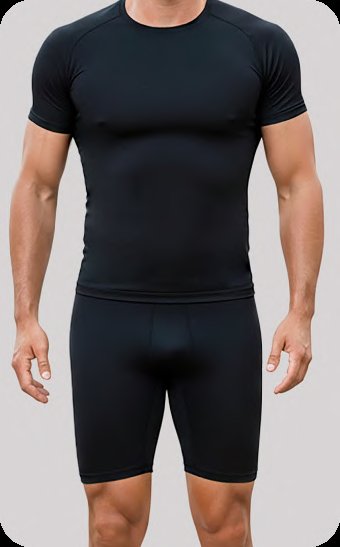
Active Whole-Body Electrostimulation
For clients capable of active movement. The full-body wireless system with 22 electrodes enables targeted work on muscle strength, stability and coordination. Group and individual work.
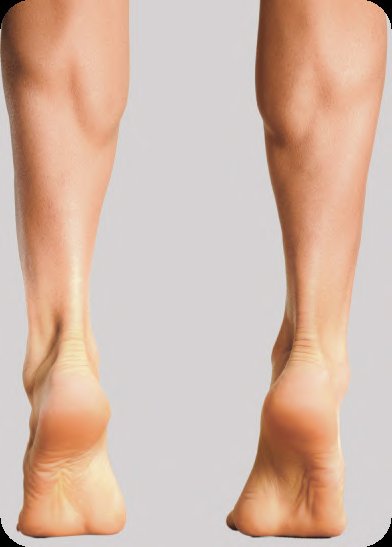
Passive Electrostimulation
For clients with limited mobility, during recovery or following surgery. Muscle activation takes place without conventional exercise and must be adapted to the client’s individual condition.
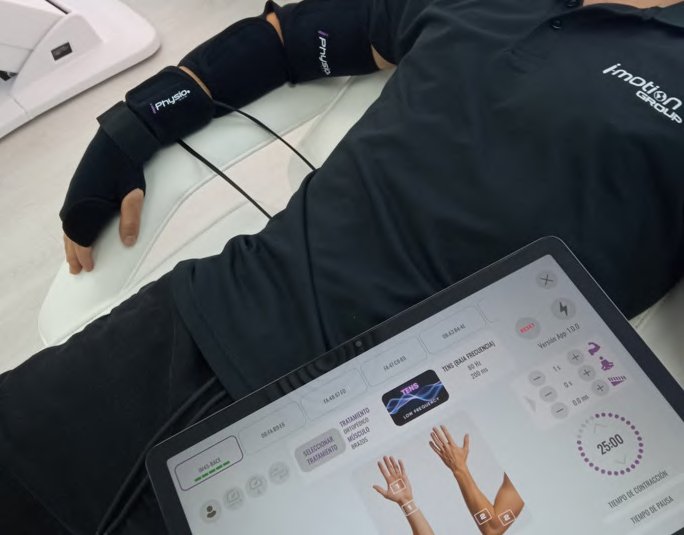
Targeted Local Electrostimulation
A modular system for targeted stimulation of selected muscle groups. Electrode placement and protocol selection must be carried out by appropriately trained professionals.
Physiotherapy facilities
we work with.
Outpatient physiotherapy
Small and medium-sized practices with individual care. Electrical stimulation expands therapeutic options without major spatial or staffing changes.
Rehabilitation centres
A focus on comprehensive rehabilitation after surgery, injury and neurological events. Group work with individual parameters.
Orthopaedic and sports practice
Support for musculoskeletal care — from chronic pain to post-injury convalescence and the return to athletic performance.
Neurological and urogynaecological practice
Specialised protocols for neuromuscular stimulation, pelvic floor function and rehabilitation after peripheral neurological injuries.
Private physiotherapy clinics
Practices offering premium care to clients looking for measurable and documentable results. Electrical stimulation increases market differentiation.
Hospital rehabilitation departments
Introducing electrical stimulation into inpatient or outpatient hospital rehabilitation — with support for protocols and professional staff.
The programmes use professional electrical stimulation technology selected according to the facility’s focus, client groups and intended application. Device specifications and a photo gallery are available at emstechnologie.cz.
Find Out Whether the Programme
Is Right for Your Practice
We will discuss your client groups, rehabilitation focus and existing services, and propose a practical implementation model for your facility.
Or call us directly
+420 737 357 630